

Banknote collecting, known as notaphily, is a fascinating hobby that attracts people from all over the world. While some collectors focus on rare and historical pieces, others see banknotes as an investment or a way to connect with history and culture. But what exactly motivates people to buy banknotes?
Every banknote tells a story. Whether it's a Czechoslovak note from the First Republic (1919–1938) or a beautifully engraved design from the communist era, banknotes are historical documents. They reflect political changes, technological advancements, and the artistic styles of their time. Many collectors are drawn to these aspects, treating banknotes as miniature pieces of art and history.
Some collectors focus specifically on who designed the banknote. For example, the famous Alfons Mucha, known for his Art Nouveau masterpieces, designed many iconic early Czechoslovak banknotes. His intricate and symbolic designs make these notes highly desirable, both for numismatists and art enthusiasts.

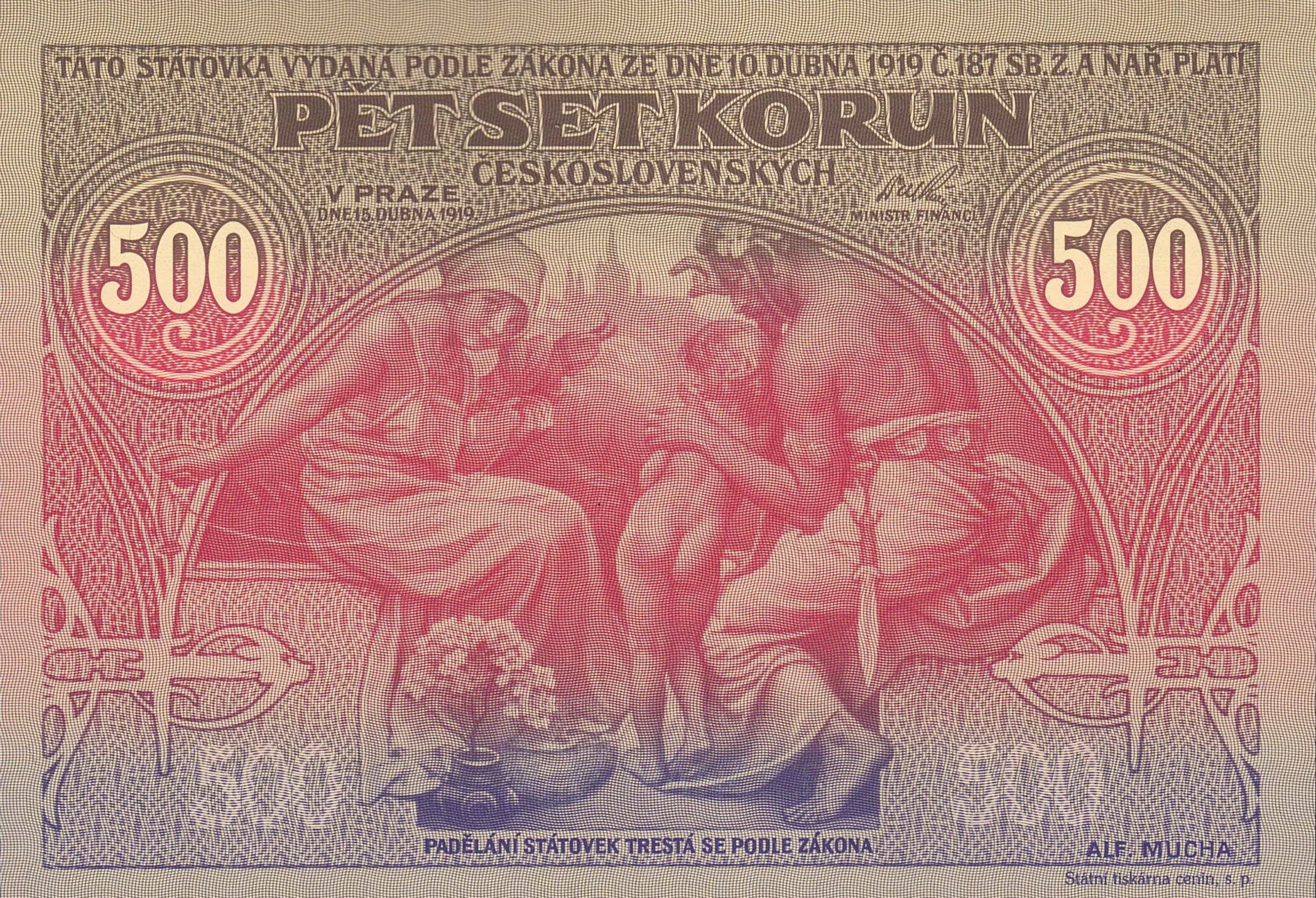
Czechoslovakia 500 Korun 1919 (reprint) – designed solely by Alfons Mucha, printed in Prague, Czechoslovakia, UNC condition. (The banknote on the photo is the official reprint of the banknote from 2020 by city of Ivancice where Alfons was born – using same printing techniques and paper.)
Some people buy banknotes as an alternative investment, similar to rare coins, stamps, or artwork. Unlike traditional investments like stocks or real estate, collectible banknotes can offer a unique way to preserve and grow wealth. Their value is often influenced by rarity, condition, historical significance, and demand among collectors.
Well-preserved and historically important banknotes tend to appreciate in value over time, making them a desirable asset. Collectors often seek out low-print-run issues, uncirculated examples, and banknotes from major historical events, knowing that these pieces will remain in high demand.
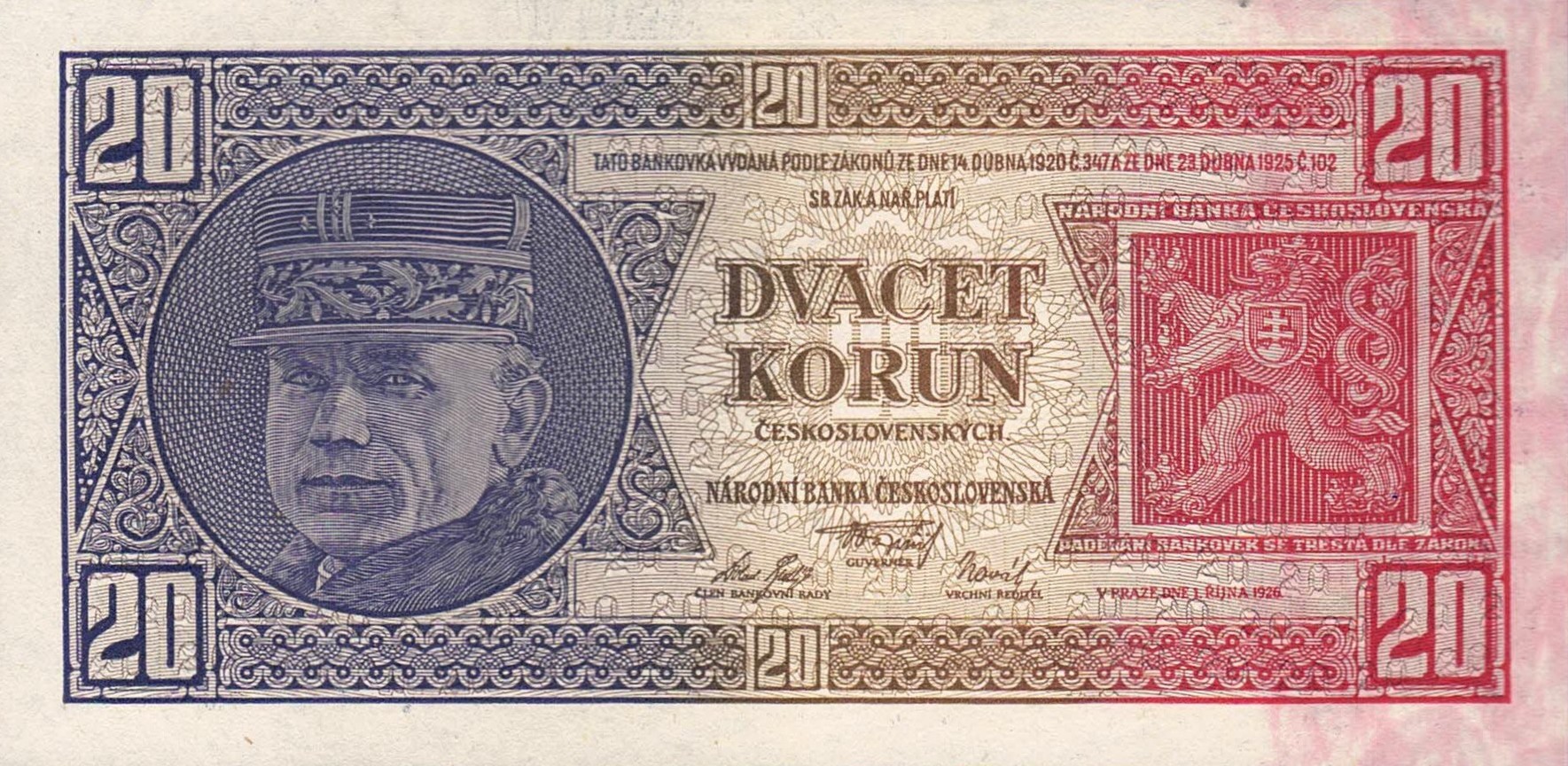
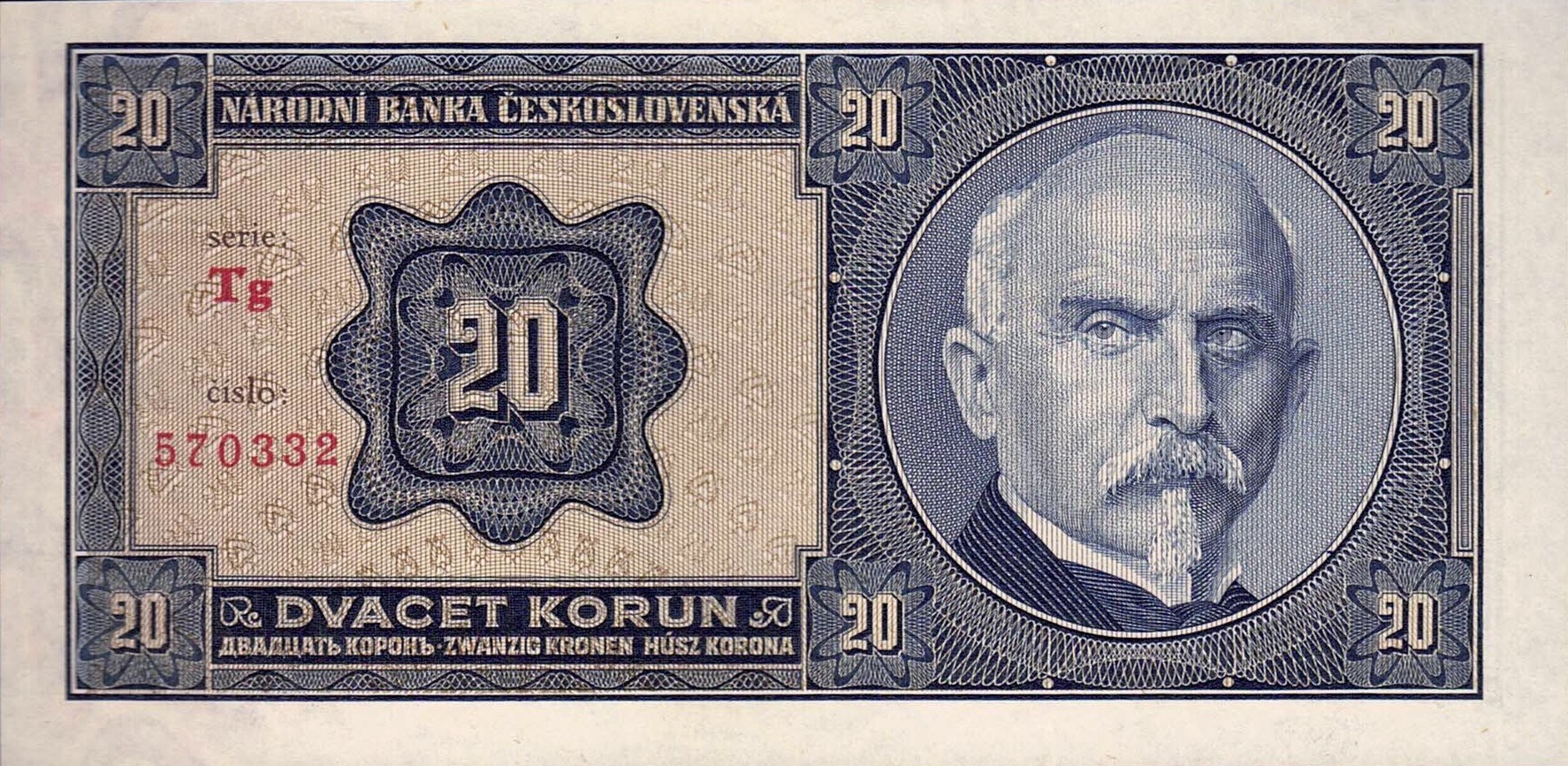
Czechoslovakia 20 Korun 1926 – the banknote from the first Czechoslovak republic, depicting M. R. Štefánik as national hero, not perforated banknote, UNC condition.
For many collectors, banknotes hold sentimental value. Some collect banknotes from countries they’ve lived in, places they’ve traveled to, or even notes they remember from childhood. Czechoslovak banknotes, for example, evoke memories of a past era, making them highly sought after by those who wish to preserve a piece of their national heritage.
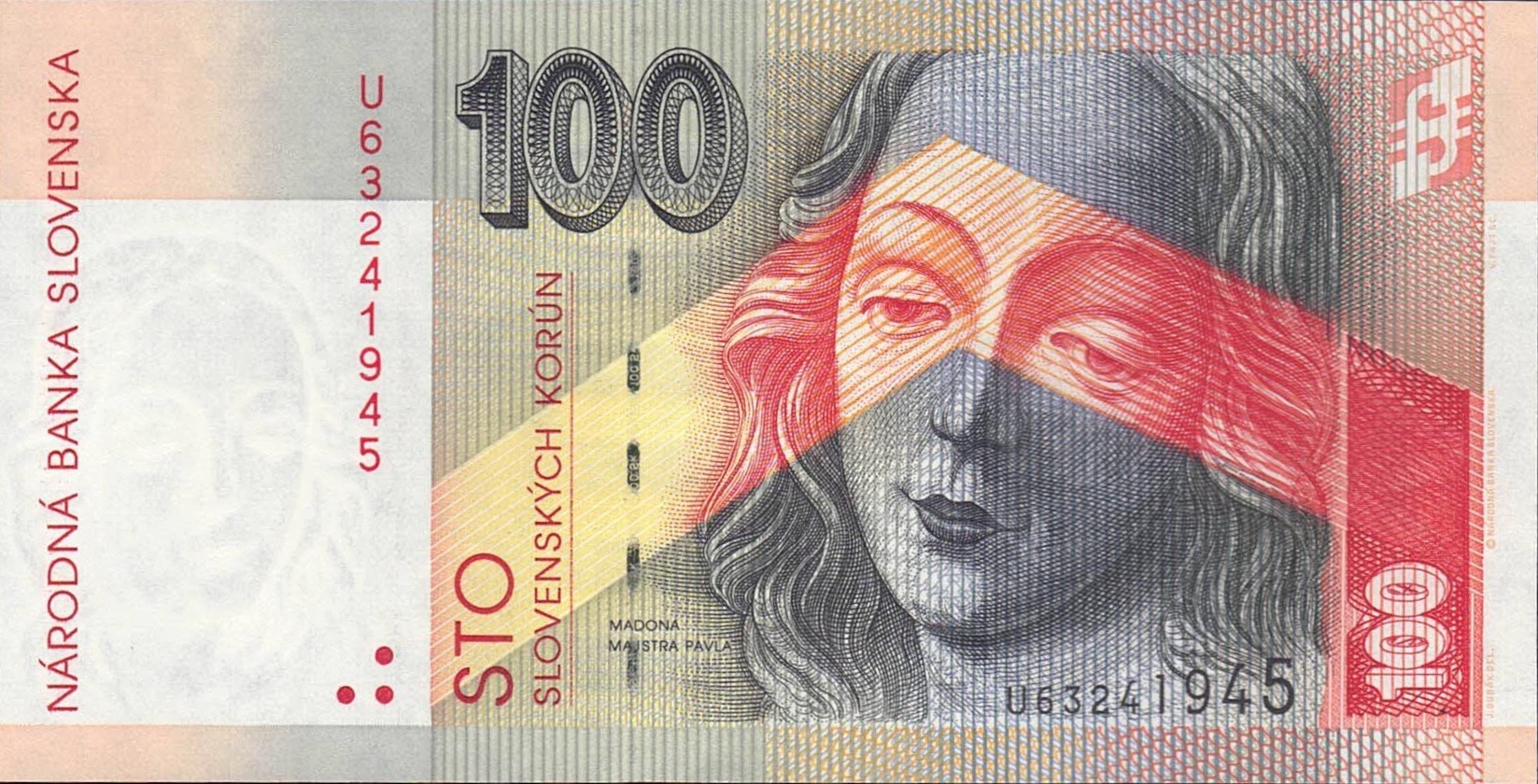
Slovakia 100 Korun 1993 – one of the first baknotes of contemporary Slovakia, since year 2009 using Euro, UNC condition.
Some collectors specialize in banknotes connected to wars and military history. Banknotes issued during times of conflict often have unique designs, emergency overprints, or special markings that distinguish them from regular issues.
For example, during World War II, both Slovak State banknotes and Bohemia & Moravia banknotes under German occupation were issued. These notes represent a turbulent period in history and are particularly sought after by collectors of military artifacts.
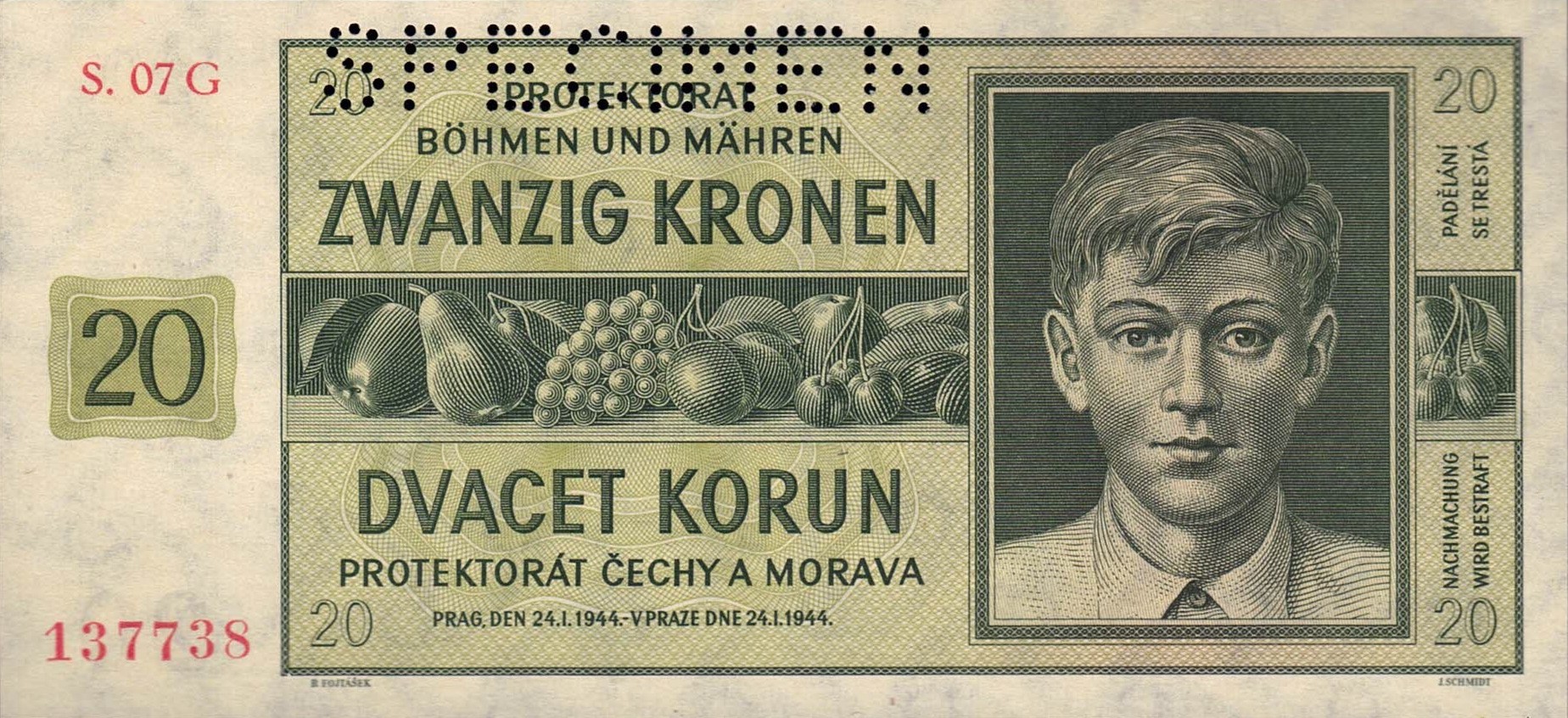
Bohemia & Moravia 20 Korun 1944 Specimen – the texts on the banknote is both in czech and german language, clearly reflecting the era of german occupation, UNC condition.
Banknotes are printed using highly sophisticated techniques to prevent counterfeiting. Some collectors are fascinated by the security features, watermark designs, and intricate engraving methods used throughout different time periods. Specimen notes, overprints, and emergency issues are particularly intriguing for those who enjoy the technical side of banknote production.
Additionally, some early Czechoslovak banknotes were printed by the American Bank Note Company (ABNCo). This international connection adds another layer of interest for collectors, as ABNCo was known for its exceptional engraving and high-quality printing. Banknotes from this era often feature intricate details that make them highly collectible.
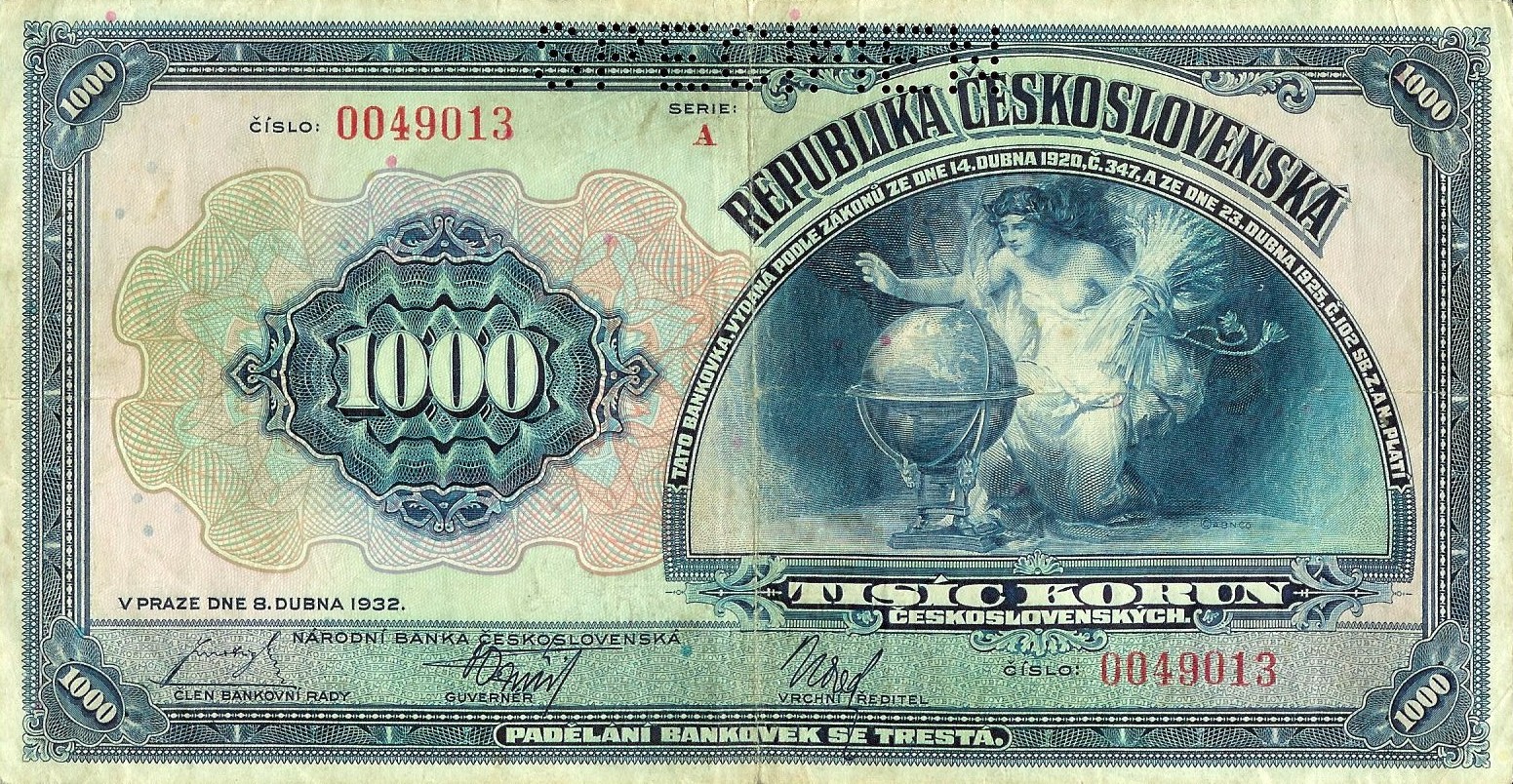
Czechoslovakia 1000 Korun 1919 – the famous „Woman with Globe“ banknote was printed in New York, USA by ABNCo, large note with dimensions of 193x102 mm, VF/F condition.
People buy banknotes for many reasons—historical interest, investment, nostalgia, military history, artistic appreciation, or the pure joy of collecting. Whether they seek a rare First Republic banknote or simply want to hold a piece of history in their hands, the world of notaphily offers endless possibilities for exploration and discovery.


