

When it comes to collecting banknotes, condition plays a crucial role in determining value. While factors such as rarity, historical significance, and demand all impact a banknote’s price, its condition often makes the biggest difference. Even a common banknote can become highly valuable if preserved in pristine condition, while a rare note in poor shape might not be worth as much as expected.
Collectors and investors alike seek well-preserved banknotes, as they hold greater visual appeal and historical integrity. The grading system helps define a banknote’s condition, with the highest grade being UNC (Uncirculated), meaning the note has never been used and remains in perfect shape. Lower grades, such as G (Good) or VG (Very Good), indicate heavy circulation, which significantly reduces value.
In most cases, the price difference between grades can be dramatic. For example, a Czechoslovak 100 Kčs banknote from 1961 in UNC condition may be worth (around 30€) several times more than the same note in VF (Very Fine) (around 5€) or lower grades (2-3€). Some highly desirable UNC banknotes can even reach ten or twenty times the value of their circulated counterparts.
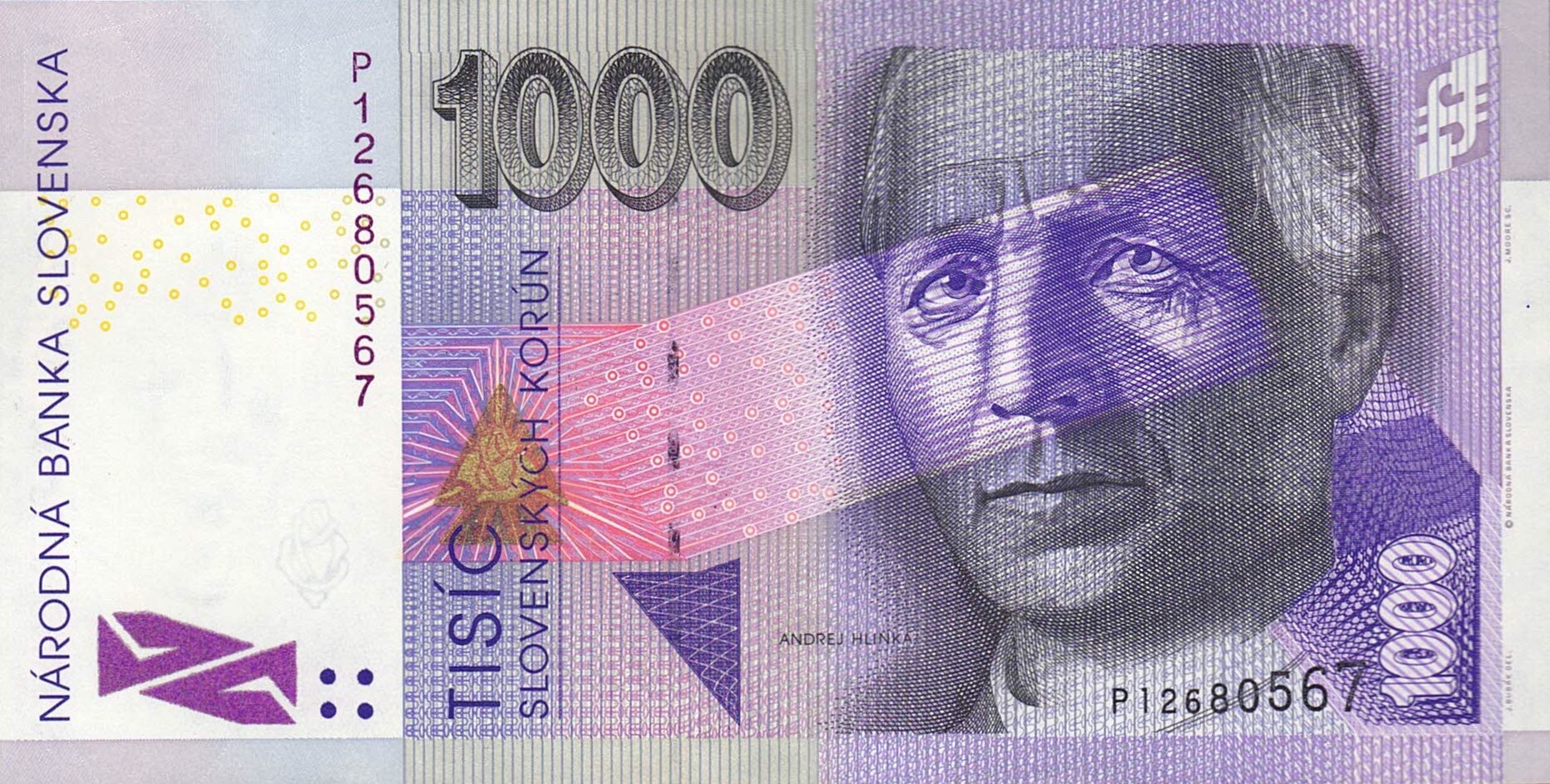
Slovakia 1000 Korun 2007 – perfect UNC with no (even minor) handling marks.
While uncirculated banknotes fetch the highest prices, lower-grade notes are still widely collected. For many older Czechoslovak banknotes, finding an UNC banknote is nearly impossible, making even lower-grade notes highly desirable. Some collectors enjoy owning pieces that have been in circulation, appreciating the idea that these notes have passed through the hands of people from a different era.
For example, many banknotes from the Austro-Hungarian transition period (1919) and the early 1920s are almost impossible to find in top condition. Collectors often settle for VF (Very Fine) or even F (Fine) grades, as they still hold historical and monetary value. Similarly, emergency issues and local banknotes from the post-WWI period were often poorly stored, making even heavily worn specimens valuable today.
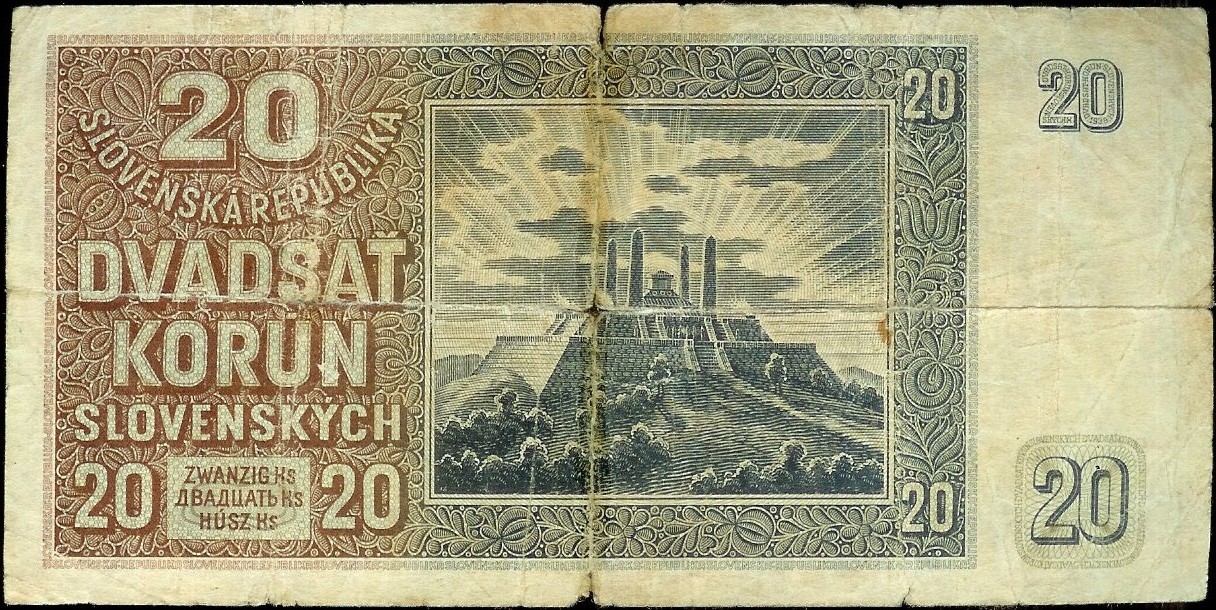
Slovakia 20 Korun 1939 – the early print of banknote just after start of WWII in Slovakia, the lowest grade, G condition. (The banknote was a few months after the issue withdrawn from circulation – making the banknote rare to find in great condition.)
Even banknotes from later periods, such as the socialist era (1948–1989), can be interesting to collectors in lower grades, especially if they feature rare serial numbers, printing errors, historical significance, or simply have been printed in lower quantities.
Condition is one of the most important factors influencing the price of a banknote. While UNC notes command the highest premiums, collectors with different interests may still find value in lower-grade examples. Whether you’re after a perfect specimen or a well-worn note with a rich history, understanding how condition affects pricing helps you make informed collecting decisions.


